Land Acknowledgment
Royal Columbian Hospital, home to the Fraser Emergency Medicine program, is situated on the traditional, ancestral, and unceded shared territories of the Coast Salish peoples — including the q ̓ ʷɑ:n ̓ ƛ ̓ ən ̓ [Kwant len] and Qayqayt [key-kite] First Nations — and is home to the North Fraser Métis Association. We are grateful for their stewardship of this land and for the opportunity to learn, work, and care for patients in this community.
The Program
The UBC Emergency Medicine Fraser program is a five-year residency that will equip you with the skills and confidence to practise emergency medicine anywhere. Serving BC’s largest health authority by population, Royal Columbian Hospital (RCH) is the region’s definitive tertiary referral centre: a unique mix of complex tertiary-care medicine, Level 1 trauma, pediatrics, high-risk obstetrics, and high-volume community emergency medicine, all under one roof. Redeveloped and expanded in 2026, RCH now has 50% more capacity, a new interventional “superfloor,” and a brand-new 75-bed emergency department built to deliver the highest level of acute care to BC’s most populous region, all while keeping its collegial, community feel. If you want breadth, pace, and remarkable pathology, this is your program.
You’ll be one of up to four residents per year, joining a tight-knit and growing family. There’s no hiding here: with fewer residents at RCH than at other sites, you’ll be out front and in the action from day one, with abundant opportunities to learn, lead, and build your independence. You’ll also rotate through Surrey Memorial Hospital (Canada’s busiest emergency department and BC’s busiest pediatric ED), BC Children’s Hospital, Vancouver General Hospital… and pretty much anywhere else you’d like to go. We mean it: on top of UBC’s province-wide mandate to train emergency physicians for everywhere in BC, our residents have travelled to Toronto, Yellowknife, Edmonton, Halifax, Iceland, Poland, South Africa, Sydney, and beyond. We’re flexible: if you find an opportunity, this program will find a way to make it happen.
What you’ll get
- Trauma like nowhere else in the province. RCH is home to BC’s only EM resident trauma fellowship: a one-year option some of our residents take before practising trauma part-time.
- Sim that pushes you. Monthly high-fidelity simulation across peds, tox, environmental medicine, trauma, and airway, often led by faculty who live in those worlds.
- Ultrasound from the start. A dedicated EM ultrasound block early in R1, plus longitudinal training until you’re genuinely an expert.
- Many cohorts, one family. Shared academic days and journal clubs with the VGH program and a province-wide network of friends gives you a bigger crew behind you when you need it.
- Straight into EM. You start R1 with EM at RCH and peds EM at Surrey, so you get to know your people from day one.
Program Highlights
- RCH is a busy tertiary level I trauma centre and referral centre. We have the benefits of working at a high volume, high acuity centre while still boasting a tight-knit feel and a history of excellent clinical teaching.
- Royal Columbian is only 30 minutes from downtown Vancouver, and easily is accessible to the amenities and lifestyle offered by the city and surrounding mountains and water.
- While living and working in the Greater Vancouver area, the Fraser group benefits from close links with residents in the Vancouver General Hospital (VGH) program. You will share academic days, journal clubs and good times, and find a bigger support network when you need it.
- Monthly high-fidelity simulation covering the spectrum of emergency medicine (pediatrics, environmental medicine, toxicology, trauma, airway, and more). We often recruit faculty with areas of specialization to help lead the sessions.
- As an R1, you will start with two months of EM at RCH and a month of pediatric EM at Surrey Memorial Hospital, a high-volume ED with a dedicated peds stream.
- Dedicated emergency ultrasound block early in first year coupled with ongoing longitudinal training throughout residency will make you an expert.
- With fewer learners at RCH, you will be mentored from the ground up and have your learning experience protected. Being one of two FRCPC Royal College Programs formally based at RCH, there is less competition for procedures and experiences.
Where You’ll Train
Royal Columbian Hospital
More than a third of British Columbians rely on Royal Columbian Hospital for critical care. RCH is where Fraser Health sends its sickest: about 90,000 ED visits a year. A truly full-service hospital, RCH cares for every type of patient (adults, neonates, kids, obstetrics) and is Fraser Health’s designated centre for trauma, cardiac surgery, cath lab, neurosurgery, ECMO, interventional radiology, interventional stroke care, high-risk maternity, and NICU. After the 2026 redevelopment, it’s now the only hospital in BC bringing expanded Level 1 trauma, cardiac care, neurosurgery, high-risk obstetrics, NICU, and acute mental health together on one site. And it still feels like home: off-service blocks are often one-on-one with a staff physician, meaning you’ll get to know many of your consultants by first name. Want even more? RCH hosts BC’s only EM resident trauma fellowship.
Surrey Memorial Hospital
Surrey Memorial is a different kind of busy: Canada’s busiest emergency department, with BC’s busiest pediatric ED under the same roof. High volume, high acuity, and stacked with strong teachers. You’ll work blocks the Peds ED and have elective time in the adult ED and ICU.
Other Sites
Your training doesn’t stop at Fraser Health. You’ll rotate at VGH, take CCU electives at VGH or St. Paul’s Hospital (BC’s heart transplant site), and chase electives wherever they lead, including Victoria, Kelowna, and the community sites of your choosing. Over the years our residents have been supported for EM blocks from Nanaimo and Revelstoke to Yellowknife and overseas.
Five Years, Built Around You
The schedule follows the Royal College CBME progression, but it flexes hard around your goals. Here’s the shape of it.
PGY-1
Transition to Discipline (Blocks 1–3)
- Emergency Medicine (RCH): 2 blocks
- Pediatric EM (SMH): 1 block
Foundations of Discipline (Blocks 4–13)
- Emergency Medicine: 3 blocks
- Emergency Ultrasound: 1 block
- Obstetrics / Gynecology: 1 block
- General Surgery: 1 block
- Internal Medicine CTU: 1 block
- Psychiatric Emergency: 1 block
- Intensive Care: 1 block
- Orthopedics: 1 block
PGY-2 to 4 — Core of Discipline
This is the flexible heart of residency, shaped around your learning and career goals.
- Emergency Medicine, including community EM: approximately 17 blocks
- Pediatric EM (SMH / BCCH): approximately 4 blocks
- Trauma: 1 block minimum
- Research Methodology (NERD): 1 block
- Pre-Hospital Care: 1 block
- Cardiology / CCU: 1–2 blocks
- Neurology / Stroke: 1 block
- Anesthesia: 1–2 blocks
- Toxicology: 1 block
- Senior ICU: 2 blocks
- Pediatric ICU: 1 block
- Electives: the options are endless. Recent residents have done addictions, palliative care, sports medicine, wilderness medicine, hyperbarics, difficult airway, community EM, trauma, toxicology, and more.
PGY-5 — Transition to Practice
By PGY-5 you’re nearly there. You’ll build an Area of Concentrated Expertise (ACE) of at least six months, get targeted coaching for independent practice, and step up as a teacher and leader in the ED.
Close to Everything
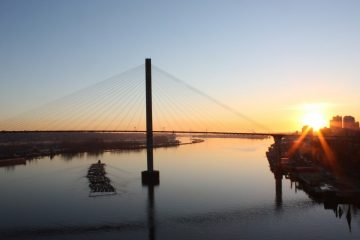
RCH is a 25-minute drive, a 30-minute SkyTrain, or a 50-minute protected bike ride from Vancouver – close to everything, wherever you choose to land. You can live wherever you like in metro Vancouver whether you want to live 2 minutes from the hospital or 2 minutes from the Vancouver waterfront. If you do choose to live in New Westminster, you’ll trade downtown rents for more space, lower costs, and (more often than not) a riverfront view.
More than an outdoor playground
Yes, the mountains and ocean are right there, but you don’t have to be a patrol skier or a mountain climber to belong here. Some of us live for the trails while others would rather be at the pottery wheel, hunting down the city’s best restaurants, sweating it out on a sauna day, or hosting our next program dinner party. What actually ties our group together isn’t a sport, it’s the people: a crew that likes spending time together, indoors or out. Bring whatever you’re into!
Wellness & Community
We protect the fun on purpose. You’re joining a crew that genuinely likes spending time together, and the calendar shows it:
- Regular resident family dinners
- Sauna days
- Two retreats a year, including a Fraser-only retreat
- Resident bonding days
- Pottery classes
- Sailing
- Pickleball with staff
- Ice cream rounds
…and plenty more across the year.
Equity, Diversity, and Inclusion
You’ll train in one of the most diverse regions in the country, and the program leans into it. We hold an ongoing relationship with local First Nations — including site visits to build connection and learn directly from local Elders — so you are challenged to expand your perspectives and grow into a culturally safe, community-connected emergency physician.
We also recognize that applicants come with a variety of life experiences and work to recognize the many ways in which applicants have overcome challenges and demonstrated positive qualities that would be an asset to our program.
Applying to Fraser EM
You apply through the CaRMS R-1 match: up to four residents a year (three through the CMG stream, one through the competitive stream).
Come do an elective with us, we’d love to host you! But hear this clearly: a local elective is not required to be considered for an interview or to match. We don’t want geography or scheduling to keep a great applicant out.
New for 2026: Fraser runs its own site-specific interview, so you’ll spend more time meeting our people and get a real feel for the program.
What makes a strong applicant
We have a wonderfully diverse group of residents, and every one of them brings something to the program. We’re looking for people who’ll become excellent emergency physicians and help push the specialty forward. The strongest applications show a well-rounded background with real interest and success in emergency and acute-care electives; scholarly work tied to EM is valued; and the best applicants usually have varied extra-curriculars that show they take work–life balance seriously. Above all, we love self-motivated learners who own their learning. Because we have fewer learners than other sites, many of your off-service rotations are one-on-one with staff, which is a gift if you show up prepared and curious.
As we mentioned above, we also understand that applicants come with a variety of life experiences and work to recognize the many ways in which applicants have overcome challenges and demonstrated positive qualities that would be an asset to our program.
Salary
Your salary follows the current Resident Doctors of BC collective agreement (in effect April 1, 2025 – March 31, 2029) and is the same across all UBC sites; pay increases each April for the term of the agreement. See Resident Doctors of BC — pay & benefits for the current PGY scale.
Connect With Us
- Instagram: @ubcfraserem
- Meet our current residents: UBC EM — Fraser program page · Meet our Residents
- Talk to a resident: ubcfraseremresident@gmail.com
- Program inquiries: em.fraser@ubc.ca
Welcome to Fraser, BC!
RCH is conveniently located within a 25-minute drive, 25-minute SkyTrain, or 50-minute bike lane ride from Vancouver. This means you will never be too far from the hospital, no matter where you live.
History
New Westminster is the oldest city in Western Canada at the centre of the largest health authority in British Columbia. If you choose to live in New West, you will benefit from a massive decrease in your cost of living, a considerable increase in living space, and almost always a waterfront view.
Recreation
The lower mainland of British Columbia has world-class outdoor recreation. You can ski in Whistler, hike or mountain bike the North Shore, kite-board or kayak the ocean inlets and more – all within the same small radius. Fraser residents cycle to work year round on protected trails and commute to the mountains all winter for world class skiing. We have whatever it is you do right here.
Food & Drink
There are 2,932 active restaurants in Vancouver and 1,825 days of residency in the FRCPC program. You will not get bored. What about while on shift at RCH? In addition to the usual cafeteria/standard in-hospital Tim Hortons, next door you will find Sushi, Thai, FreshPrep, Starbucks, Browns, etc. to ensure the hardest decision on-call is selecting take-out. Don’t forget the resident lounge though, where one of our own has been eating (for free) somewhat exclusively for several years straight. After a shift, take the train a few short stops to the Port Moody Ale Trail for the outdoor network of craft breweries frequented as a post-shift debrief on the way home.
“I love working at RCH because of the variety and acuity of patient presentations, including trauma and pediatrics, as well as the awesome team we work with. The emerg group of physicians, nurses, pharmacists and staff are fantastic, it has the benefit of being an academic site, and we have great relationships with consultants. It has a truly unique feel!” – Dr. Samantha Jang-Stewart
“RCH has no shortage of acuity and interesting pathology, allowing for full spectrum emergency practice that includes trauma, peds, cardiac, neuro, obgyn and more, all in one place. I chose to work at RCH because of the collegial culture between my fellow emergency physicians and our consultants. I was well supported in starting up my practice and was given lots of opportunities to utilize the skills and knowledge I gained with my area of special interest. I am privileged to work with learners of all stages, ranging from medical students to off-service residents to senior emergency residents. RCH is the place to be!” – Dr. Ken Chan
“RCH is a great place to work because although it is a tertiary care centre, it retains a community hospital feel. As such, you get to be super hands on and become an expert in all things emergency medicine including but not limited to: traumas, resuscitations, reductions, acute on chronic abdominal pain, and non-specific neurologic symptoms in young, healthy people.” – Dr. Margaret Zhang
“The clinical practice as an emergency physician at RCH is challenging and full scope. During a major trauma resuscitation you look around the room for help and it is a bunch of colleagues and friends who are there with you.” – Dr. John Taylor (emergency physician and Trauma Team Leader)
“Because the Fraser Health Authority has one of the largest populations in Canada (2 million), the sickest patients are funnelled to RCH which is the tertiary referral center in the FHA. I have worked at RCH most of my career and consider myself fortunate to have seen a huge volume of very interesting pathology. What I have most treasured is our team whom I feel is like a second family.” – Dr. Joe Haegert
“The Fraser program was our home as residents for the past five years. We began this program together with the combined intelligence of one resident, luckily we learned a few things in R5/R6 (Covid Cohort) and have become two independent staff physicians. While the ridiculous resuscitations are unparalleled, what really makes this program special is the relationships. Not only is the residency program tight-knit, but as a resident, you are part of the emergency department family from day one. Now in the early stages of our staff careers, we have chosen to stay and work here for the same reasons: exciting medicine, great academic opportunities, and a really fun work environment. The residency program is integrated into everything this department does and whether you are on emerg or off service you feel at home and get involved in everything.” – Dr. Ben Millar & Kevin O’Riordan
“RCH is a wonderful place to work as there is continuous exposure to high-volume, high-acuity emergency medicine. As a new attending physician it was important to me to continue to develop clinical expertise in full-scope emergency medicine including trauma, critical care, paediatrics and OB. RCH affords this unique opportunity, surrounded by supportive consultants and an Emergency Department team that always has your back.” – Dr. Chantal McFetridge
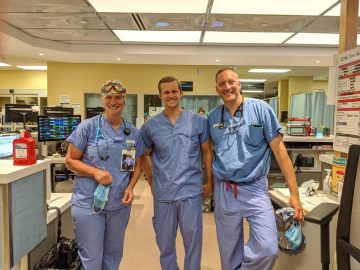
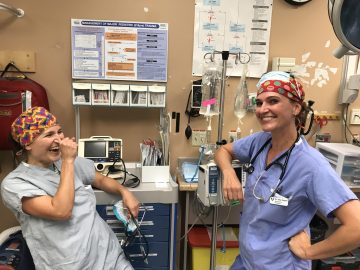
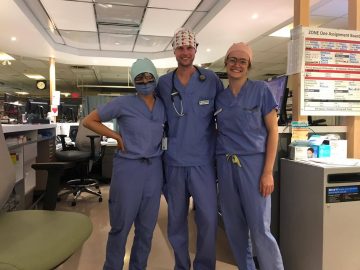
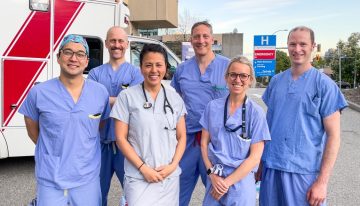

Alex Taylor, Fraser Site
Born and raised in Winnipeg alongside six siblings, Alex spent most of his childhood skateboarding, playing Yu-Gi-Oh cards, and exploring with friends. He completed his undergraduate studies at Western University, where he played football and pursued a degree in Kinesiology. After graduating, he played football for the Edmonton Elks before attending medical school at Queen’s […]

Alix Wells, Fraser Site
Hailing from Prince George, Alix landed a job at the local casino. Her love for risk and the gambling lifestyle led her to roll the dice. Hurling her body down steep slopes catapulted her to Alaska for her undergraduate degree, while competing in NCAA downhill ski racing. Alix’s blatant disregard for her body led to […]

Bobbi Wiens, Fraser Site
From the interior of BC, no one really knows where. Bobbi spent a summer trying to be an apprentice electrician, where they forced her to fit into all the small spaces in old buildings. Between the dead rats and the tight spaces, she quickly decided this wasn’t for her, and went to school to become […]
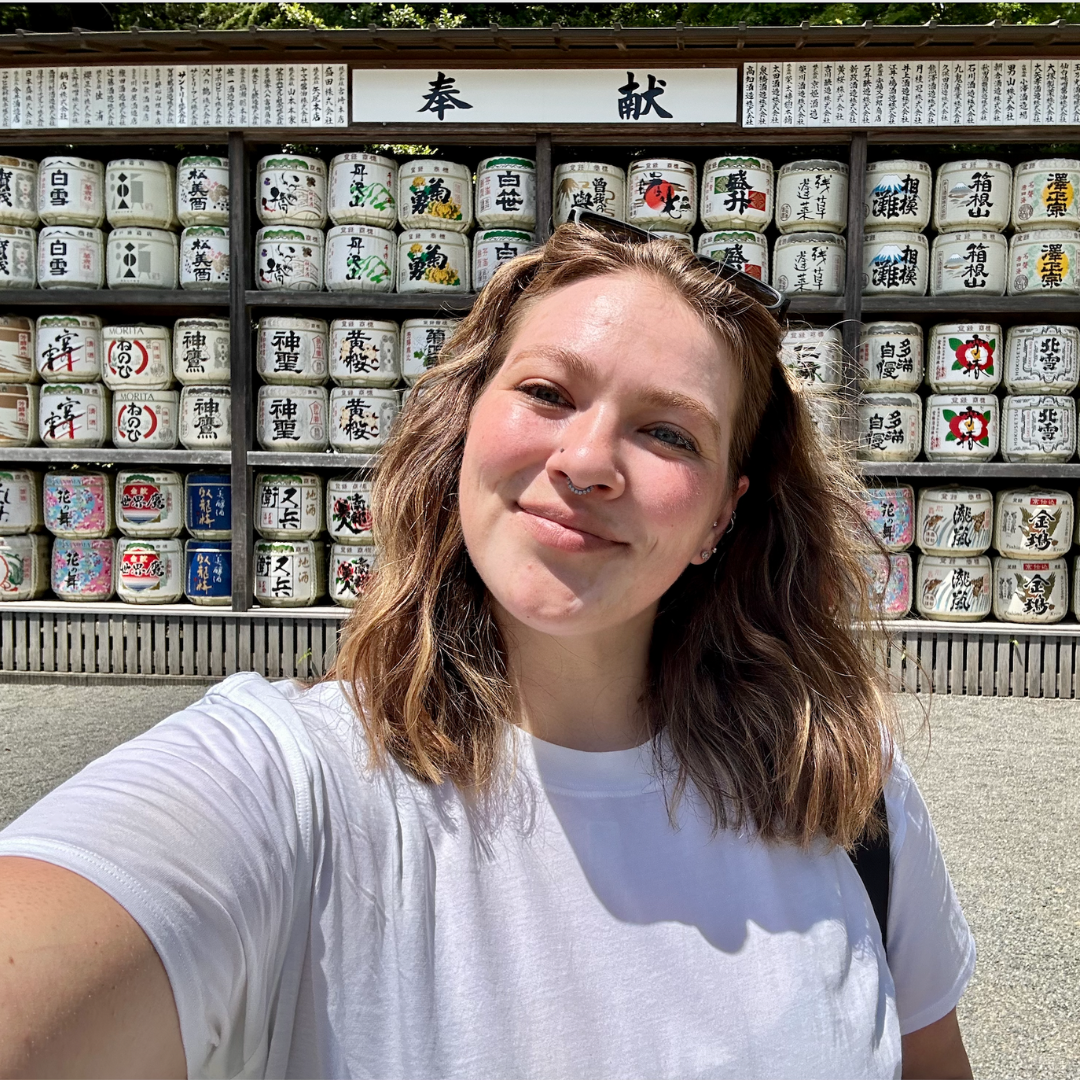
Hannah Minnabarriet, Fraser Site
Hannah is First Nations (Nlaka’pamux and Secwepemc) from Ashcroft, BC. She completed an undergrad in Health Sciences at SFU and with the motto “from cell to society,” Hannah is pretty invested social determinants of health and their manifestations in the Emergency Department. She went to UBC for medicine, and completed an Integrated Community Clerkship in […]

Ian Cooper, Fraser Site
Born and raised in Edmonton, Ian has spent much of his life running away from Alberta, and then being drawn back. This yo-yo relationship has led him to have completed degrees from three Canadian Universities and having attended a few more than that. Mostly, he has just been looking for any excuse to play volleyball […]

Inderdeep Mander, Fraser Site
Inderdeep was born and raised in cold and snowy Edmonton. She completed her undergrad in Psychology and Bio Sci and worked on community advocacy throughout her medical school career. She co-founded the Bag Half Full program during the pandemic to delivery groceries to vulnerable community members. Passionate for mental health, she also co-founded a Peer […]

Jessica Jacob, Fraser Site
Jessica was born in South India and spent her early childhood in the UK and the Middle East before finally settling in Maple Ridge, BC. It’s safe to say that the travel bug got to her at a young age. She would find any and every excuse to explore, mostly through the avenue of attending […]

Lyndon Rebello, Fraser Site
Lyndon was born in Bahrain and moved to Canada’s West Coast at age five. His love for soccer led him to play at Trinity Western University, where he earned a bachelor’s in human kinetics and bravely (or foolishly) completed a minor in Chemistry. He attended med school at UBC’s Island Medical Program in Victoria, balancing […]

Mohit Sodhi, Fraser Site
Mohit was born in New Delhi, India and came to Canada shortly thereafter. He loved Vancouver so much that he ended up completing his undergraduate, master’s and medical degrees at UBC. He was inspired to pursue medicine, and emergency medicine in particular, by his younger sister with cerebral palsy and autism spectrum disorder. In 2016, […]

Nick Sanchez, Fraser Site
Forged in the suburban paradise of Burnaby, BC, Nick didn’t venture far for school—attending UBC for both his undergraduate years and medical training. Some say he never applied elsewhere anyway, and UBC rewarded his loyalty with a spot at Fraser’s Emergency Medicine program. While medicine was the official reason he stuck around campus, Nick spent […]

Olivia Hunter, Fraser Site
Despite being born and raised in beautiful Vancouver, Olivia had to leave to realize she’d hit the geographic jackpot at birth, and she spent the next several years taking an elaborate detour back home. She went to university in New Hampshire, where she studied infectious disease and epidemiology and learned how cold -35C really is. […]
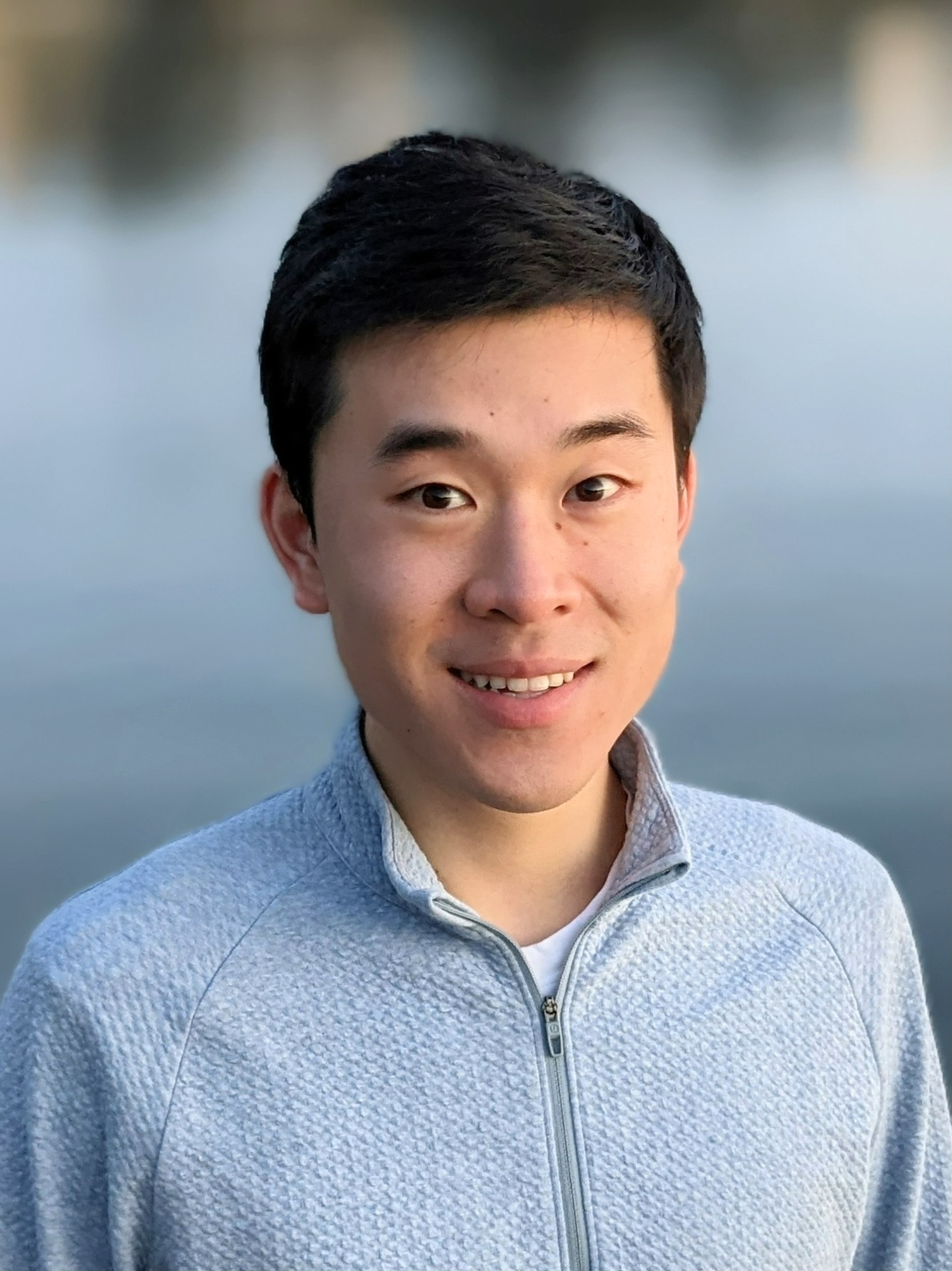
Parker Nann, Fraser Site
Recovering from a brief stint in management consulting, Parker has exchanged east coast corporate America for west coast med school and residency. Although he sometimes misses the jet-set glamour of business travel, he has come to love the clamour and bustle of a busy emergency department. A fifth generation Vancouverite, Parker has bounced around, living […]

Paul Rakoczy, Fraser Site
Paul grew up in Southern Ontario, where his love for having class outside pushed him towards pursuing an undergraduate degree in Geology at McGill, spending the school year playing lacrosse, and summers in construction and tree planting. After a very brief career with the rocks, Paul took the natural next step for any geologist and […]

Precilia Kong, Fraser Site
Precilia (Pre, she/her) was born and raised in the Lower Mainland and is a proud UBC lifer, having completed her undergraduate degree, Master of Public Health, medical school, and now residency at UBC. Growing up in a bicultural Chinese and Portuguese household sparked a lifelong curiosity about people and cultures, leading her to opportunities in […]

Suzanne George, Fraser Site
Vancouver is the latest in the list of places that Suzanne has called home. Having grown up around the world, she knows that all she needs is a good cup of coffee and her husband to feel right at home. Outside the ED, you can find her in the company of one of her 4 […]
Elective Description
Royal Columbian Hospital offers two or four week electives for medical students in their final year that provides the opportunity to gain exposure and competence in managing a variety of clinical presentations in a busy emergency department. Students will work one-on-one with enthusiastic physicians who establish an exceptional learning environment and provide an appropriate level of independence. Students will have the opportunity to participate in emergency procedures such as suturing, orthopedic reductions, casting, intubation, central lines, chest tube placement and trauma management. They will also have the opportunity to interact with EM residents who will have dedicated teaching shifts with students. Additional learning opportunities include involvement in weekly academic days with the EM residents, monthly EM journal clubs, weekly grand rounds, and simulation sessions which visiting students are welcome to attend.
Applications for electives can be made through the UBC application system.
UBC Students
Applications for electives are submitted online via the One45 system. There are deadline application dates for each elective block, which must be approved by the elective organizer for successful placement. If you were unable to get an elective at RCH and are interested in our Fraser EM program, we are happy for you to contact us to hear more about the program/set up a shadow shift.
For junior medical students, you may contact us directly to arrange a few shadow shifts.
Associate Program Director – Fraser Site
Dr. Tom Green
tom.green@ubc.ca
For general inquiries, please contact our program admin:
Kanchan Pandey
Fraser Program Coordinator
em.fraser@ubc.ca
For undergraduate or medical student inquiries, please contact:
Dr. Dan Wong
Assistant Education Director and Undergrad DSSL
danwong50@gmail.com
Interested in speaking to one of our Fraser residents? Please contact: